
Do Maine Coons Shed a Lot? UK Grooming Guide
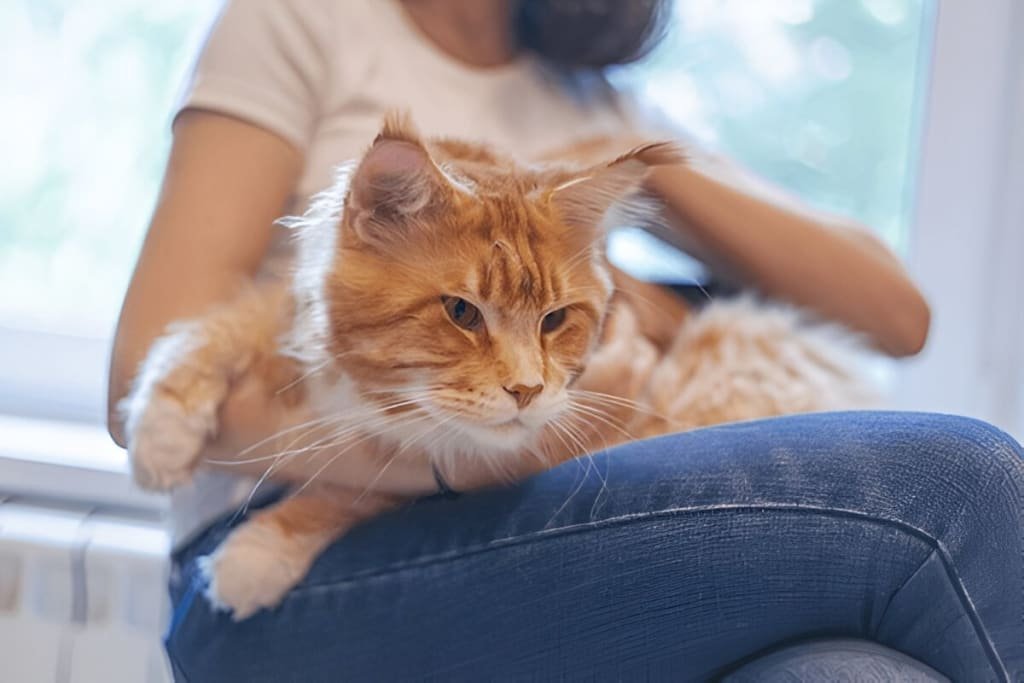
Do Maine coons shed? The shedding situation is fairly the same for all felines have fur, will shed. Maine Coons, unfortunately, get a bad rap about being big shedders because they are a wee bit fluffier than average cats! So, do Maine Coon cats shed? Of course, they do! It’s the how-much that you should precisely focus on.
This may come as a surprise, but a healthy kitty, whether long- or short-haired, should shed very little. Despite that, it’s awfully common to hear from cat parents losing their minds over finding huge clumps of Maine Coon hair all over their clothes and furniture. Why’s that? Let’s figure it out!
In this guide, you’ll find out more about:
- The shedding pattern you should expect for Maine Coons
- The factors behind chronic shedding
- Effective shedding management tips
Maine Coon shedding pattern explained
Like Norwegian Forest and Siberian kitties, Maine Coons also have their roots in cold climates. This large-sized breed comes from Maine, the easternmost state in the U.S. that is practically cold all year round. Maine Coons have evolved to combat the winter with their thick double coat. An inner layer of dense fur traps air and provides insulation, while their waxy, medium-length outer coat acts like a protective blanket that repels water and snow.
It’s perfectly natural for outdoor adult Maine Coons living in cold climates to shed dead fur two times a year, usually during spring and autumn. Besides the large-scale seasonal coat change, these easy-going cats don’t shed too much thanks to their thick coat. Kittens of this breed don’t shed until they’ve reached adulthood.
A Maine Coon’s general shedding pattern is heavily disrupted in an indoor setting. Some kitties shed throughout the year, while others not at all! Experts say a healthy Maine Coon living indoors would experience low-grade shedding throughout the year, like every other house cat. While caring for this breed, you should learn to detect unnatural shedding patterns and recognise the potential factors.
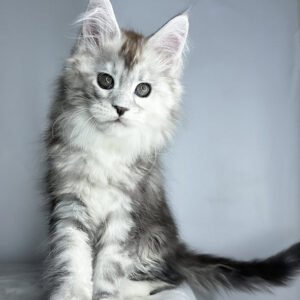
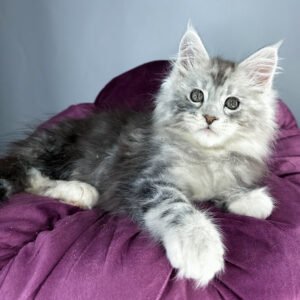
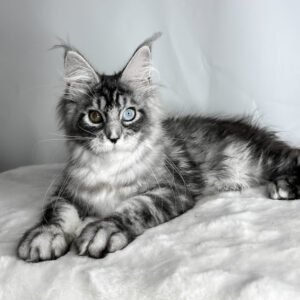
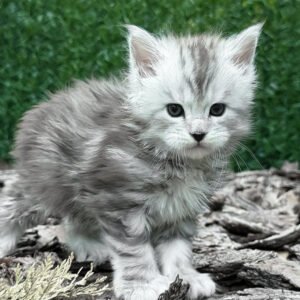
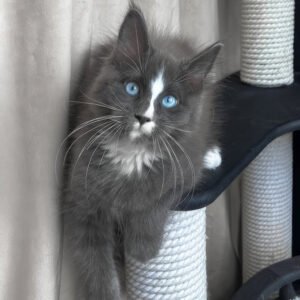
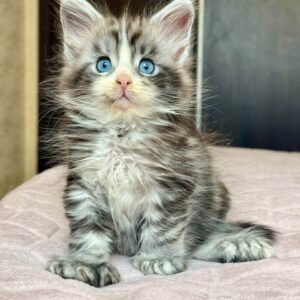
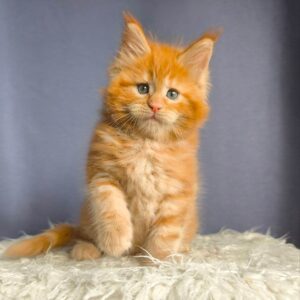
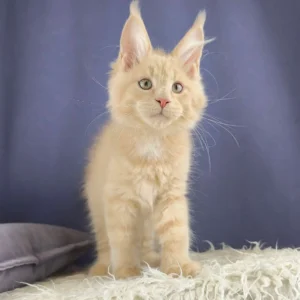
Maine Coon Kittens
Factors that affect a Maine Coon cat’s shedding
If your Maine Coon is leaving major chunks of hair all around your living space, the situation’s definitely out of hand. From what vets have observed over the years, chronic shedding in this breed is associated with five factors:
- Heat and humidity
- Underlying health problems
- Stress
- Improper hygiene
- Poor diet
Let’s look into each of these factors and figure out proactive solutions to manage shedding.
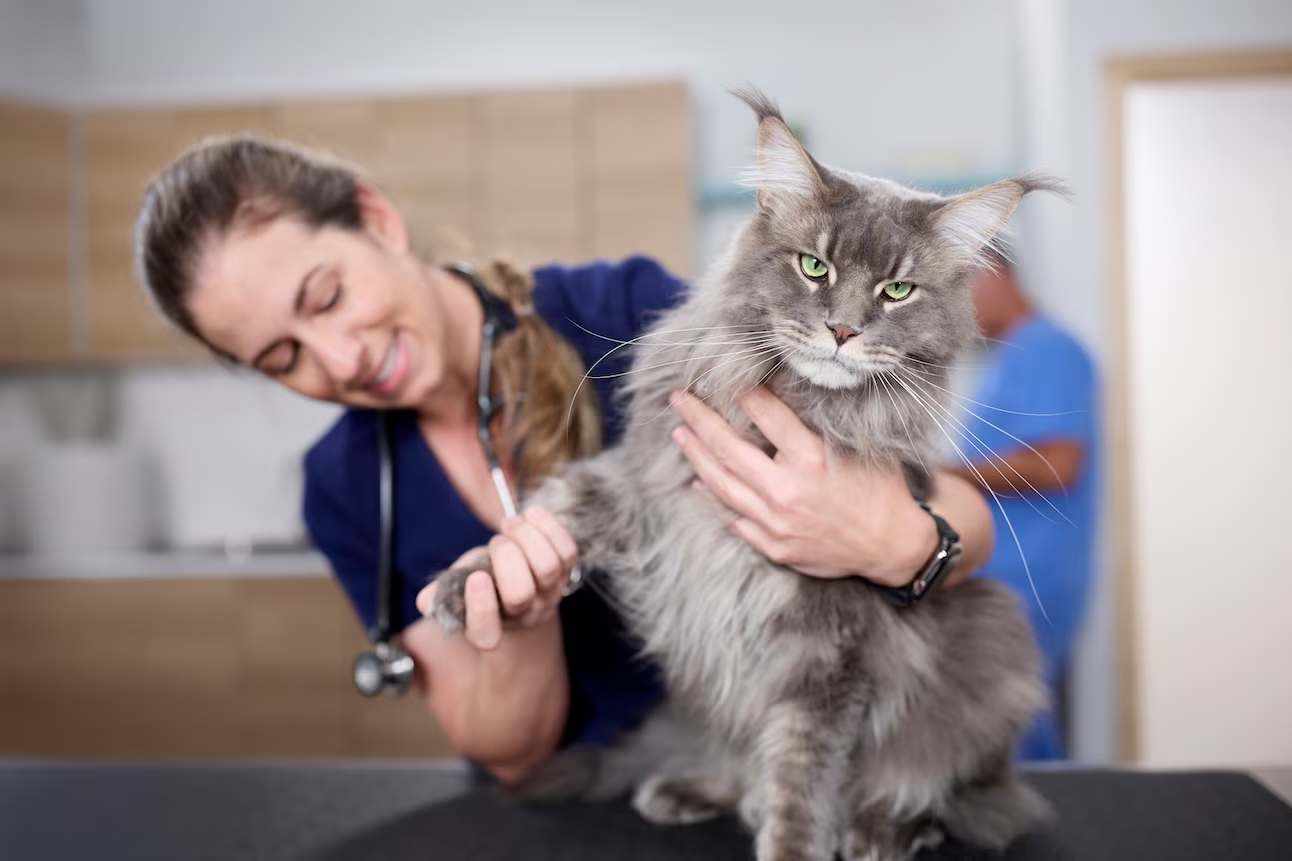
Excessive shedding in Maine Coons
A Maine Coon’s fur acts as a thermal regulator across all seasons. Exposure to heat and humidity will naturally make them (and other double-coated breeds like British Shorthairs and Persians) shed profusely. If your living space is heavily insulated, your kitty won’t need their heat-trapping short undercoat anymore. As a result, their body’s automatic biological response is to discard the unwanted undercoat. The outer coat usually remains intact in these situations.
In case your kitty sheds because of a warm environment, you need to brush out their fur regularly to get rid of the hairy mess in an orderly manner.
Do Maine Coons shed a lot when they’re sick?
A cat’s coat quality is a good indicator of their overall health. A dull coat accompanied by excessive shedding and patchy skin often shows that they are suffering from one or multiple health issues. Take a look at some common conditions that trigger bouts of shedding in Maine Coons:
- Food allergies (usually triggered by dairy, grains, or beef)
- Food poisoning and stomach infections from eating toxic food (any infection disrupts immune function and makes cats shed)
- Liver and kidney diseases
- Infestation of fleas or ticks
- Fungal or bacterial diseases
- Cancer
- Endocrine disorders (diabetes and hyperthyroidism)
- Sunburn
- Side-effects of medication
Apart from these issues, kitties also shed temporarily due to hormone imbalances caused by pregnancy or a sterilisation surgery. If you’re worried your Maine Coon is shedding due to a health problem, it’s best to take them to a vet for a thorough medical evaluation.
Is stress causing your kitty to shed?
Although it’s rare, Maine Coons can suffer from off-season shedding if they’re living in a perpetual state of anxiety. Other signs of stress in felines include:
- Constipation and IBS
- Chewing on furniture and houseplants
- Rejecting their regular wet or dry food
- Eating in larger portions
- Pouting and hissing
- Being unfriendly to other humans or dogs and other pets
- Pooing outside the litter tray
If you think your kitty is shedding because they’re in misery, try identifying the source of stress and address the issue accordingly. You can also consult an animal behaviourist to understand what’s bothering your pet.
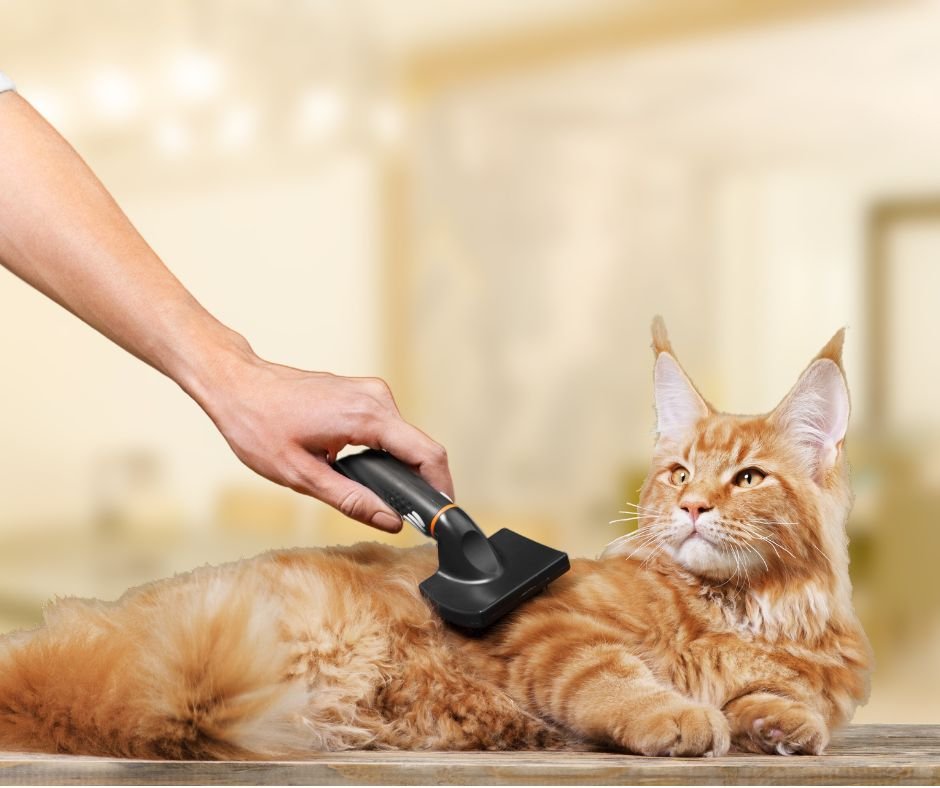
Top hygiene tips to control shedding in Maine Coons
Here are some grooming tips to help you keep your Maine Coon’s coat in tip-top shape:
- Brush often—Brushing your Maine Coon every two to three days will not only get rid of dead fur and skin but also distribute healthy oils throughout their coat. If your cat sheds seasonally, use deshedding tools for effective removal of the undercoat
- Trim fur and nails every few months—Extra-long fur hanging from your kitty’s paws and neck tends to get matted after soaking in the litter, urine, and other debris around the house. If you choose to trim their fur by yourself, hold the hair strands using a fine-tooth comb to avoid snipping the skin
- Bathe your kitty once a week—Make sure to use lukewarm water and gentle cleansing products to clean up Maine Coons
Does your Maine Coon shed because of poor nutrition?
According to feline nutrition experts, poor-quality cat food is a common and nasty culprit behind shabby kitty coats. That’s because dietary flaws aren’t evident straight away but lead to several health setbacks in kitties, including:
- Excessive shedding and hairballs (because of weak fur roots)
- Weight imbalances (anorexia or obesity)
- Dental infections and premature tooth loss
- Frequent gastrointestinal issues like gagging and regurgitation
- Poor eating habits like binge-eating and gorging
The ideal feline diet should offer over 50% proteins and up to 20% fats for optimised coat and overall health. It’s essential these nutrients come from meat as cats are hardwired carnivores. They have digestive enzymes that help absorb nutrients from flesh and organs. Giving them plant or dairy proteins can stress their system and cause stomach sensitivity.
Refer to the table below to find out which micronutrients improve the strength and appearance of coat and reduce unnatural shedding in Maine Coons:
Micronutrient | Function | Rich sources |
Keratin | Helps form the structural layer of skin, fur, and claws | Fish (especially salmon), poultry, and dark meat |
Has antioxidant properties that:
| ||
Collagen | Makes bones denser, hydrates the skin, and gives the fur a smooth, velvety texture |
|
Omega-3 fatty acids | Make hair follicles stronger and the coat full and shiny |
|
Vitamin E | Improves immune function to ease itchy skin and heal wounds and scars |
|

How to know if cat food is ruining your Maine Coon’s coat
If your Maine Coon is a heavy shedder, it’s good practice to reevaluate their current food. Here are some questions you should ask yourself:
- Is my kitty getting proteins from the right sources? Your cat should get proteins from whole meat, not processed animal derivatives like chicken and bone meals. Some manufacturers also use vegan and dairy proteins to meet the minimum values of the nutrient recommended by PFMA (Pet Food Manufacturers Association). These subpar proteins can have a negative effect on your kitty’s coat over time
- Am I getting products loaded with fillers? Feeding a filler-heavy product means your kitty doesn’t get enough meat in their diet, which automatically impacts their coat and overall health in the long run. Some common fillers used in cat food include sweetcorn, rice, vegetables like potatoes and peas, cellulose, and soya. These ingredients can be favourably advertised for their perceived health benefits but are largely non-nutritive to hardcore meat eaters like cats
- Is a particular product triggering food allergies? Certain products, usually biscuits, are heavily processed and contain several preservatives, artificial colours, and taste enhancers that can trigger an allergic response in felines. If your kitty is allergic to a product, they could experience shedding and the following symptoms:
- Hyperventilation
- Vomiting and diarrhoea
- Red, inflamed eyes
- Poor appetite
It’s not only a cat’s health that’s compromised due to excessive shedding. Cat parents also have a hard time cleaning up fur from the oddest nooks and crannies in homes. Since Maine Coons are not hypoallergenic, their airborne fur can aggravate allergies in household members who are allergic to cats.
If you want to see an improvement in your pet’s coat quality, you should ditch dry or mixed diets and switch to a high-protein, grain-free wet food made with whole meat. Regular consumption of quality wet food will minimise shedding naturally within a few months.